Healing, Hope, and Youth Voices Spark Community Conversation on Substance Use Prevention
Mental health conversations don’t begin with statistics.
They begin with trust.
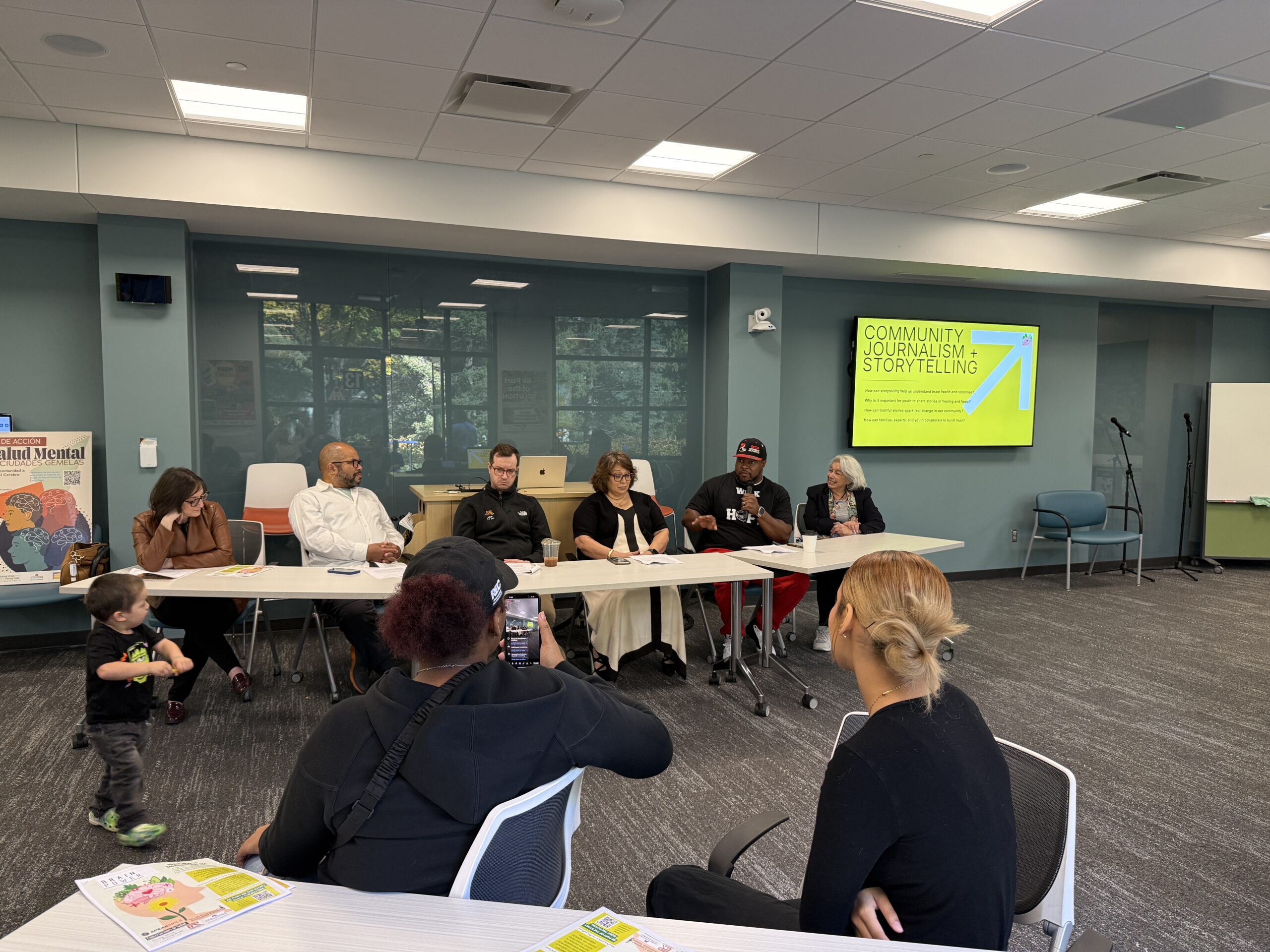
On Saturday, Oct. 18, youth, families, brain researchers, recovery leaders, health practitioners, and community members gathered at the Masonic Institute for the Developing Brain (MIDB) for Community Voices: Brain Health Solutions for All, an intergenerational conversation exploring brain health, mental health, substance use prevention, recovery, and hope.
The event was hosted by the Strong Mind Strong Body Foundation and its Youth Community Journalism Institute, in collaboration with the Masonic Institute for the Developing Brain (MIDB), Carmen Robles and Associates, and Conversaciones de Salud as part of the Brain Health Solutions for All initiative.
The event built on a youth-led podcast episode, “Brain Health, Addiction, and Community Solutions.”
The goal was to bring people together, listen, learn, and build solutions.
Unlike many conferences, the event wasn’t designed around lectures.
It was designed around conversation.
Throughout the afternoon, participants shared ideas, painted a collaborative community mural, and joined discussions that connected scientific research with lived experience.
The message throughout the day was clear.
Brain health belongs to everyone.
A Conversation With the Community
The event began with a welcome from Eric Ortiz, executive director of the Strong Mind Strong Body Foundation.
“Our theme today is healing and hope,” Ortiz told the audience. “It’s all about connection.”
He reminded participants that everyone in the room had something valuable to contribute.
Youth. Parents. Researchers. Recovery professionals. Community leaders.
“Together, we want to learn from one another, share stories, and explore real solutions around mental health, substance use, and recovery.”
The discussion that followed reflected that philosophy.
Moderated by Cynthia Munguia, executive director of Minnesota Recovery Connection, the panel brought together experts from medicine, neuroscience, psychiatry, recovery services, counseling, and community outreach.
Panelists included:
- Cynthia Munguia
- Dr. Dwize Ntaba
- Dr. Brenden Tervo-Clemmens
- Dr. Heidi Bausch-Ryan
- Dr. Katarzyna Litak
- Carmen Robles
- Jay Pee
Instead of simply answering prepared questions, panelists invited the audience into the conversation.
How do we recognize early warning signs?
How can we replace judgment with compassion?
What helps young people cope with stress before substance use becomes an option?
How can every neighborhood have access to prevention, treatment, and recovery resources?
Audience members added their own questions, making the discussion feel more like a community dialogue than a formal presentation.
One theme surfaced repeatedly.
Addiction is not a character flaw.
It is a health issue.
Recovery begins with connection, support, and hope.
Youth Journalists Become Community Educators
The afternoon shifted from listening to celebrating.
The event honored graduates of the Youth Community Journalism Institute’s eight-week summer program, where young journalists explored brain health, addiction, and prevention through reporting, podcasting, interviews, and storytelling.
Rather than ending with presentations, organizers created something different.
Researchers interviewed youth.
Then youth interviewed researchers.
The reciprocal questioning session produced thoughtful conversations about brain development, trauma, recovery, and what adults can learn from young people.
The exchange reflected one of the program’s guiding beliefs:
Young people are not just future leaders.
They are leaders today.
Their reporting, questions, and lived experiences help make science more understandable and more relevant to families and communities.
Learning by Doing
The event created an interactive learning space.
Outside, a large community mural slowly filled with messages of encouragement, resilience, and hope.
Participants of every age contributed artwork and reflections about healing and creating stronger communities together.
From Awareness to Action
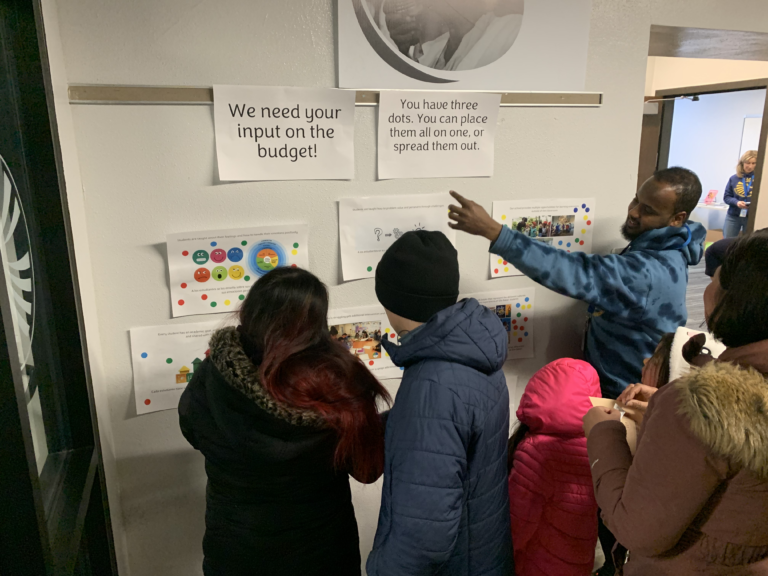
Throughout the day, participants were encouraged to contribute ideas with questions that invited reflection:
What helps keep your brain healthy?
How can we reduce stigma around mental health?
What can families do to support recovery?
If you could design one solution for your community, what would it be?
By the end of the afternoon, the room was filled with practical ideas, encouragement, and community wisdom.
The answers reflected the day’s biggest lesson.
Healing happens together.
Building Brain Health Solutions for All
The Community Voices event was part of the Strong Mind Strong Body Foundation’s Brain Health Solutions for All initiative, which combines youth journalism, community engagement, research translation, and public education to make brain science accessible and actionable.
The initiative includes youth-produced podcasts, bilingual educational resources, community conversations, and partnerships with researchers working alongside families and neighborhoods.
Rather than asking communities to come to science, the project brings science into communities.
As the afternoon concluded, participants reflected on one final message.
Brain health begins with connection.
Connection builds trust.
Trust creates conversations.
And conversations create healthier communities.
The work doesn’t end when the event ends.
It continues in homes, classrooms, neighborhoods, and every conversation that replaces stigma with understanding and isolation with hope.