TRAP Training Empowers Minneapolis Youth to Respond, Stay Aware, and Be Prepared
Young people are navigating more risk, pressure, and uncertainty than many generations before them. They are expected to make adult decisions in systems that do not consistently protect or support them. Programs like TRAP (Trained to Respond, Aware, and Prepared) exist to meet that reality head-on. With compassion, preparation, and purpose.
TRAP is a trauma-informed training program designed for youth in communities experiencing increased group and gun violence. It takes a proactive, strengths-based approach to emergency preparedness, equipping young people with practical, life-saving skills while fostering resilience, self-awareness, and leadership.
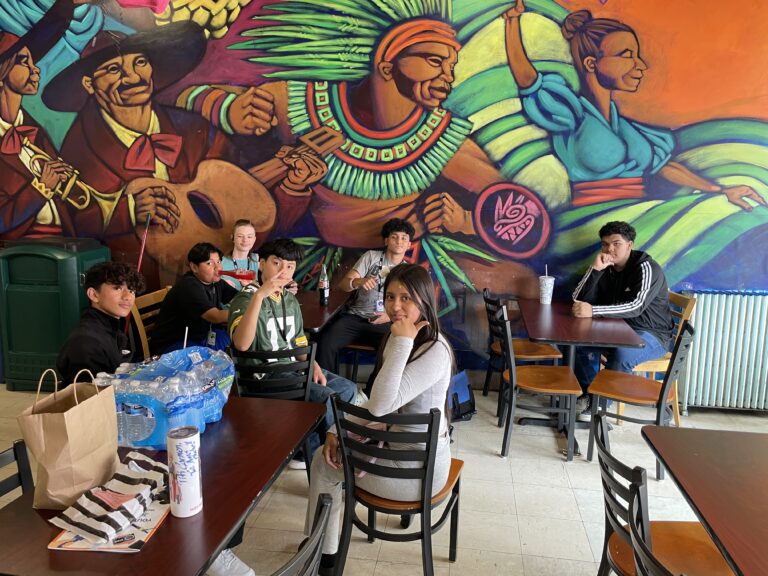
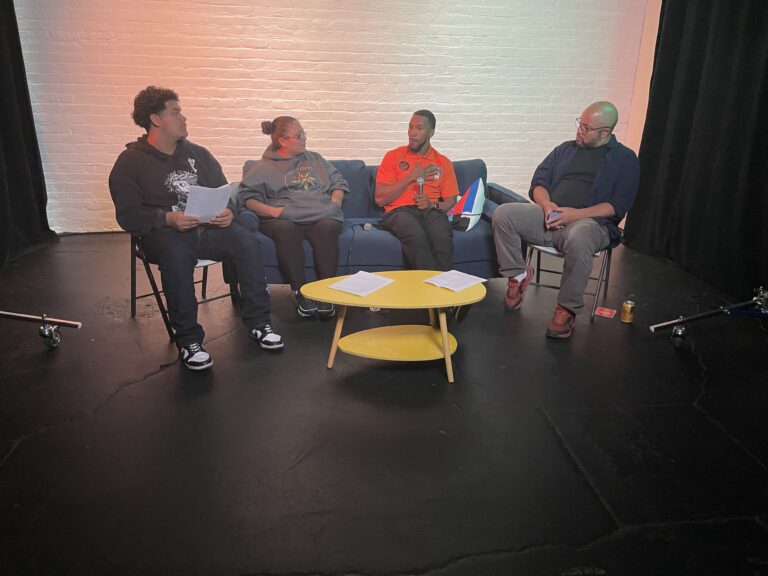
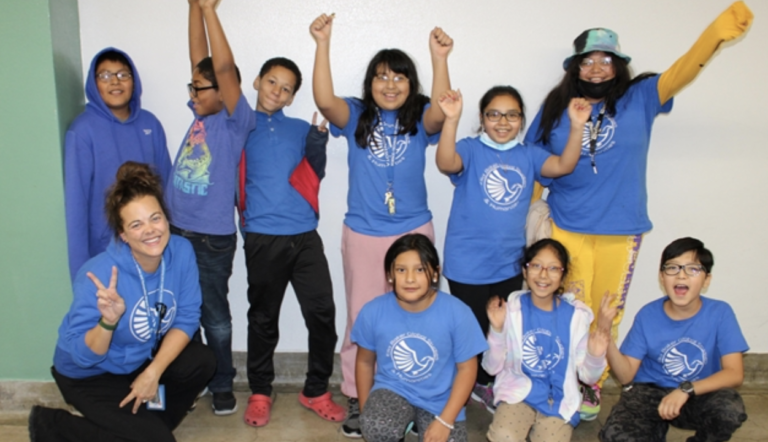
On Saturday, Nov. 15, the Center for Changing Lives in Minneapolis hosted a five-hour TRAP training from 10 a.m. to 3 p.m. Sixteen youth ages 12–17, including eight bilingual participants, took part in a bilingual (English/Spanish) workshop designed to help them recognize and respond to emergencies they may encounter in their daily lives.

The training was led by Princess Titus and Standard Edition Women, in partnership with Hue-Man Partnership, Conversaciones de Salud, MJ Consultants, Innovative Soulutions, M Health Fairview, and the Strong Mind Strong Body Foundation.

What is TRAP?
TRAP stands for Trained to Respond, Aware, and Prepared. It is a hands-on program that helps youth identify and navigate the “traps” they face: money pressures, exposure to guns and drugs, sexual exploitation, mental health challenges, and other risks that can derail safety, health, and purpose.

Youth were encouraged to release negative influences, reflect on their values, and understand that having a positive purpose is one of the strongest paths to true happiness and safety. The training emphasized that avoiding the traps isn’t about perfection. It’s about awareness, preparation, and support.

Why This Matters: Youth Mortality and Risk
Across the United States, injuries remain the leading cause of death among young people, followed by suicide and homicide. According to CDC data, among youth ages 10–24, unintentional injuries such as motor vehicle crashes and drug poisonings continue to take the most lives.

For adolescents ages 12–17, the most recent detailed national data (2020) show:
- Unintentional injuries: 31.4%
- Suicide: 20.4%
- Homicide: 16.1%
- Cancer, heart disease, and other causes account for the remainder

Since 2013, gun death rates in children ages 1 to 17 have increased by 106 percent, the Johns Hopkins Center for Gun Violence Solutions reports, and guns have been the leading cause of death among this group since 2020.

These numbers reflect real lives and real gaps in preparation. Programs like TRAP focus on providing youth with the skills to respond to overdoses, violent injuries, and mental health crises. Because these emergencies are already happening in our communities.

Drug Use and Misuse Among Minnesota Youth
State-level data from the Minnesota Student Survey (MSS) further underscore the urgency. The MSS, conducted statewide every three years, tracks youth behaviors related to health and safety.

Over the past decade, eighth and ninth graders have reported increasing inappropriate use of prescription pain medications such as OxyContin, Percocet, and Vicodin. Data from the Minnesota Department of Health confirm this trend. Among eleventh graders, reported misuse has remained relatively steady in recent surveys.

These trends reinforce the need for early, culturally responsive education and preparation. Before crisis hits.
Training Agenda and Impact

The TRAP training blended emotional grounding, education, and hands-on practice.

The agenda included:
- Welcome and grounding, setting intentions, and community agreements
- Emotional check-ins through movement, sound, and self-expression
- Overdose prevention training, with a Naloxone presentation led in Spanish by Francisco Ramirez, supervisor of community education and outreach at M Health Fairview
- QPR (Question, Persuade, Refer) suicide prevention training, facilitated by Monica Jones and Kabao Yang of MJ Consultants
- Stop the Bleed training, led by Farji Shaheer, executive director of Innovative Soulutions
- A healthy and delicious Ecuadorian lunch from Chimborazo
- Reflection and closure, including letter-to-self writing and group sharing

Each participant received a $125 stipend, reinforcing that youth time, presence, and leadership are valuable.

What Youth Took Away
By the end of the day, youth had gained the ability to:
- Respond to opioid overdoses with Narcan nasal spray
- Support peers experiencing suicidal thoughts
- Provide first aid for traumatic injuries, including gunshot and knife wounds
- Build emotional awareness and purpose
- Recognize and avoid common “traps” in their communities

As one 14-year-old, ninth-grade participant shared, “The training not only raised awareness, but also offered the confidence and tools needed to respond when it matters most.”

Looking Ahead
TRAP continues to grow as a community-rooted model for youth safety, leadership, and empowerment. It reminds us that prevention starts with preparation. And preparation starts with care.

Thank you to all the facilitators, partners, and youth who showed up, shared, and learned together. Your safety, voice, and future matter. And our village is stronger because of you.