How Stress Impacts the Brain and What Youth and Families Can Do to Build Resilience
Stress isn’t just something we feel. It shapes how we think, respond, and grow.
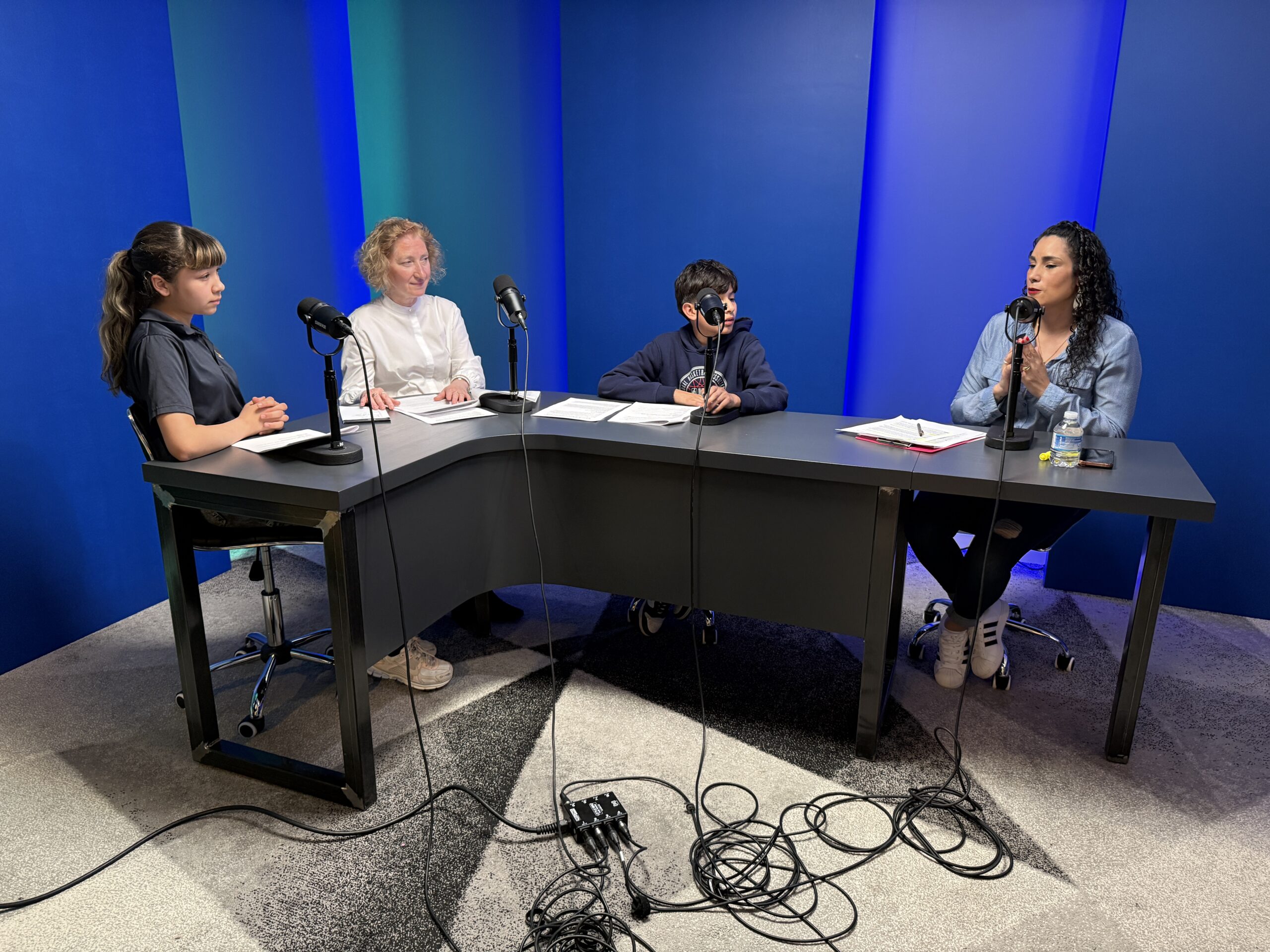
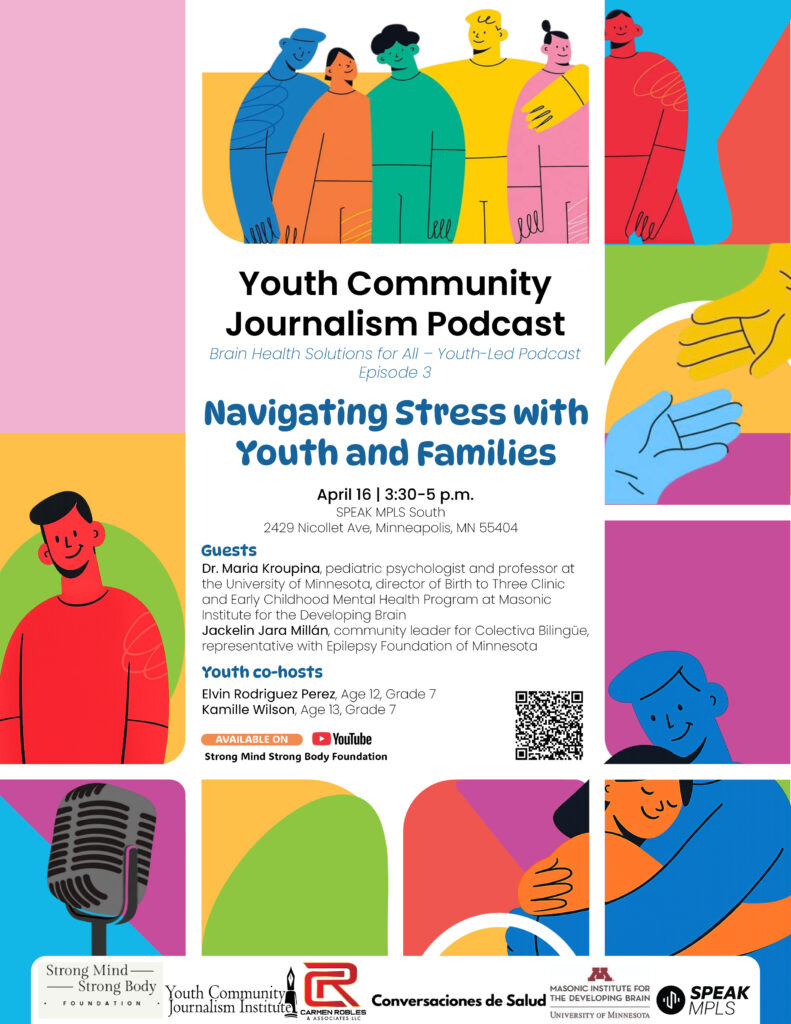
In the latest episode of Brain Health Solutions for All, youth journalists Elvin Rodriguez Perez and Kamille Wilson explore how stress impacts brain development and how young people, families, and communities can build healthy coping skills and resilience across a lifetime.
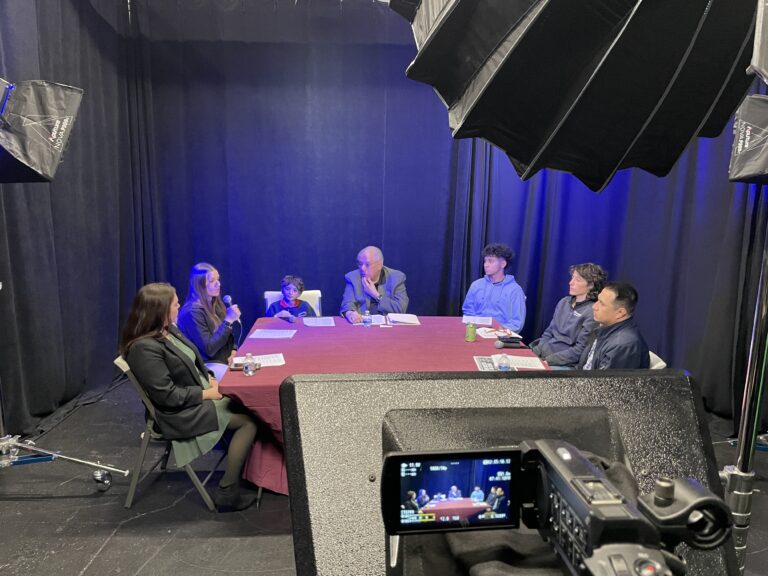
The youth hosts sat down with Dr. Maria Kroupina and Jackelin Jara Millán to discuss this important topic. Dr. Kroupina is a pediatric psychologist and professor at the University of Minnesota and director of the Birth to Three Clinic and Early Childhood Mental Health Program at the Masonic Institute for the Developing Brain. Jara Millán is a community leader with Colectiva Bilingüe and the Epilepsy Foundation of Minnesota.
Together, they unpack the science of stress, the importance of early childhood experiences, and the power of community-driven support systems.
The conversation, recorded at the community media center SPEAK MPLS in Minneapolis, highlights a critical truth. While stress is a natural part of life, the relationships and environments around us determine whether it becomes harmful or a source of strength.
Watch the youth-led conversation that brings science, lived experience, and community wisdom together.
Dr. Kroupina emphasized that while early brain development begins in the prenatal period and the first 1,000 days, one of the most powerful influences throughout life is something deeply human: our relationships with others.
“In Minneapolis, we saw a powerful example this winter of how important community can be during challenging times,” she said. “We are social beings, and human development depends on connection. If we don’t have people we trust and who support us, our brains won’t develop the way they should. That’s why, especially in difficult moments, having friends, family, and community around us is so important.
“I’ve always known relationships matter, but I was struck by how people showed up for each other—simply saying ‘How are you?’ and truly meaning it. Those small moments helped us feel less alone. When someone checks in, holds your hand, or stands with you, it makes a real difference.
“Even with technology, we still need human connection. We need community, we need support, and sometimes, you might be the one who shows up first for someone else. That’s something very important for all of us to remember.”
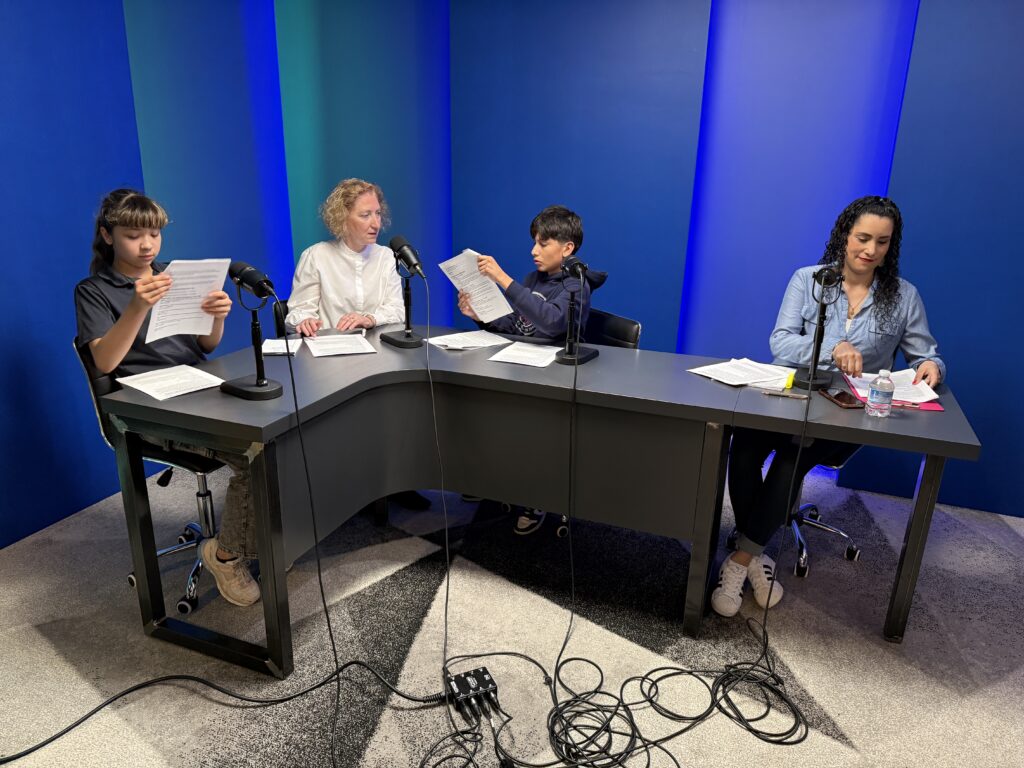
Jara Millán emphasized the role of families and communities to navigate stress and build resilience.
“When parents and communities provide love, stability, education, and emotional support, children feel secure,” said Jara Millán. “When you feel secure, you’re feeling good, you feel really happy, you don’t need to find another person to talk about your bad emotions because you have your good environment.”
“The first community we all have is our home,” added Jara Millán. “That’s where we begin building connection — with our parents, siblings, and family. From there, we carry that into school and the larger community.
“Something as simple as asking, ‘How are you feeling?’ can open a big door. Someone might look OK on the outside, but be carrying a lot inside. That small question can create connection, trust, and even transformation. It’s a simple step, but it can make a powerful difference.”
The episode also shares practical, everyday strategies that youth and families can use right now. These include creating safe and supportive home environments, maintaining open communication, and building strong relationships with trusted adults and community members.
The message is clear. Small, consistent actions, like listening, showing care, and staying connected, can have a lasting impact on brain health and well-being.
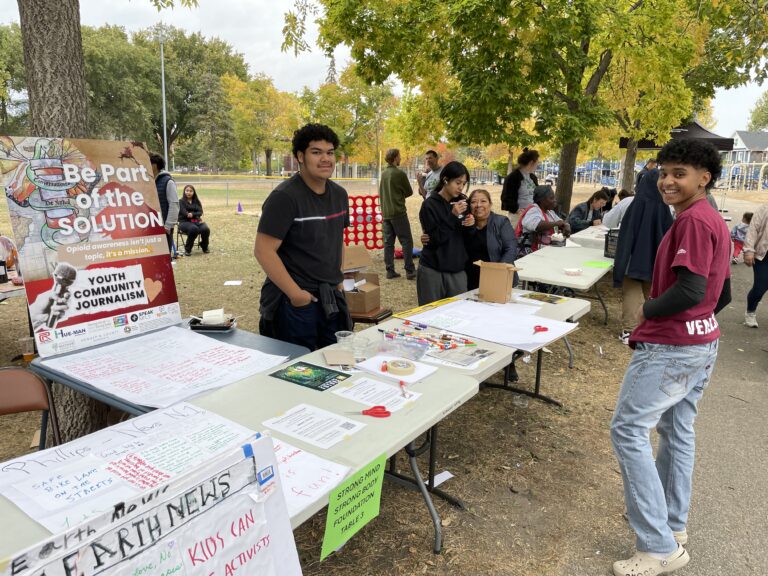
The Brain Health Solutions for All project, led by the Strong Mind Strong Body Foundation in partnership with the Youth Community Journalism Institute, the Masonic Institute for the Developing Brain, Carmen Robles and Associates, and Conversaciones de Salud, is a multilingual, intergenerational initiative that empowers youth to lead conversations on brain health and community well-being.
By bringing together science, culture, and community voices, the program makes brain health more accessible, relevant, and actionable for families in Minneapolis and beyond.
Stand with the Strong Mind Strong Body Foundation to support youth-led solutions and stronger communities.