Youth, Families, and Community Leaders Build Resilience in Minneapolis
Resilience isn’t something we build alone.
It grows through relationships.
It grows through community.
And often, it begins with a conversation.
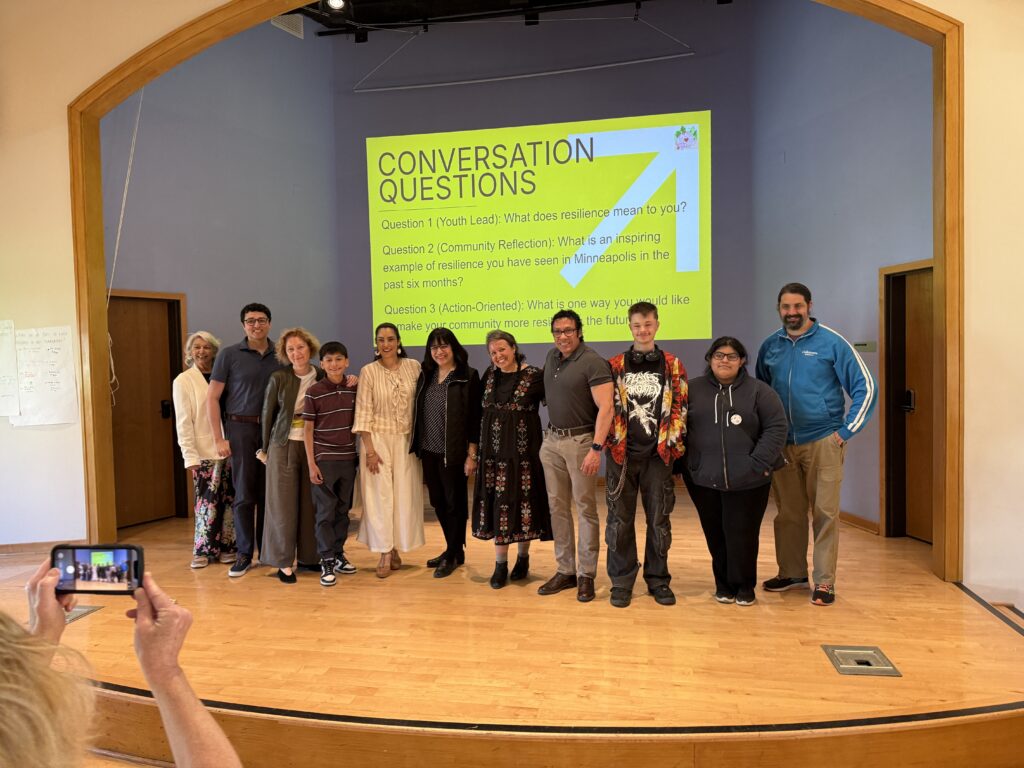
On Saturday, May 9, more than 50 youth, families, health experts, and community leaders gathered at the New City Center in Minneapolis for “Building Resilience With Youth and Families,” a community forum exploring how stress and trauma affect brain health and how communities can strengthen resilience together.
The intergenerational gathering was hosted by the Strong Mind Strong Body Foundation and its Youth Community Journalism Institute, in collaboration with Carmen Robles and Associates, Conversaciones de Salud, and the Masonic Institute for the Developing Brain (MIDB) as part of the Brain Health Solutions for All initiative.
The event built on the youth-led podcast episode “Navigating Stress With Youth and Families,” where youth journalists interviewed researchers and community leaders about stress, brain development, and practical strategies for healing.
Rather than just sharing research, the purpose of the event was to create a welcoming space where science, lived experience, and community wisdom could come together.
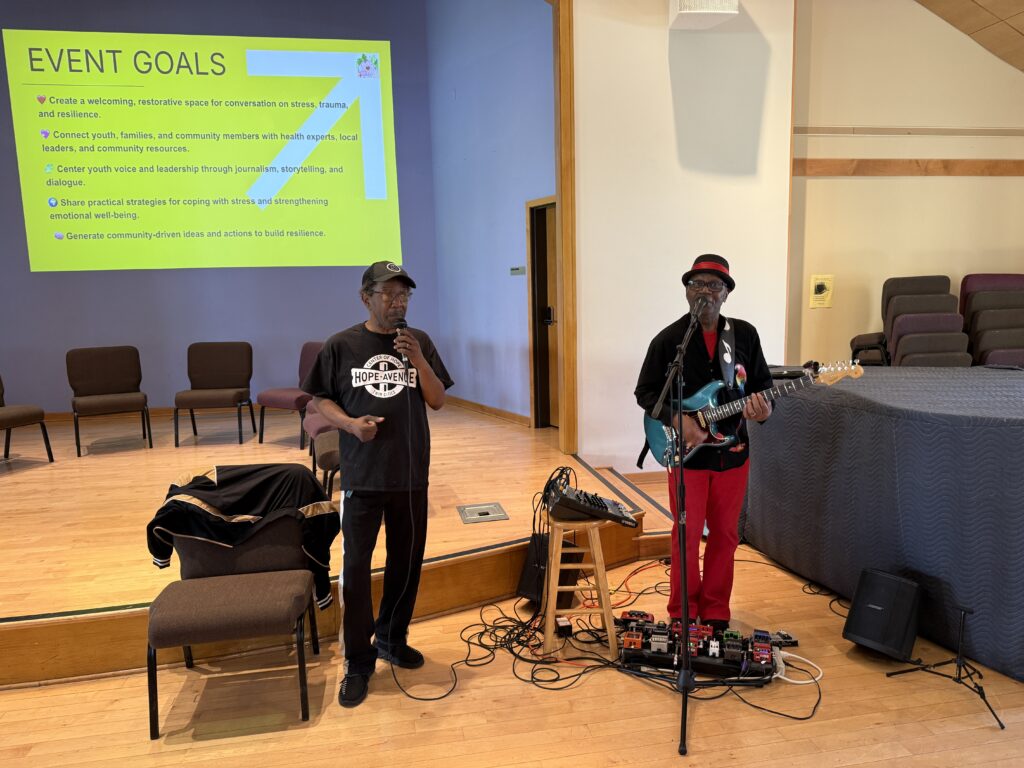
The event centered on five goals:
Create a welcoming, restorative space for conversation.
Connect youth and families with health experts and community resources.
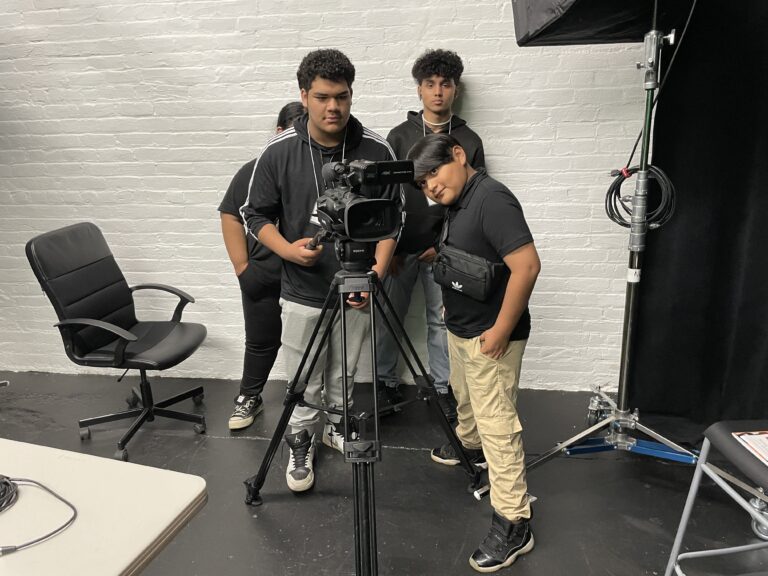
Elevate youth leadership through journalism and storytelling.
Share practical tools and strategies for managing stress and building resilience.
Generate community-driven ideas for strengthening resilience.
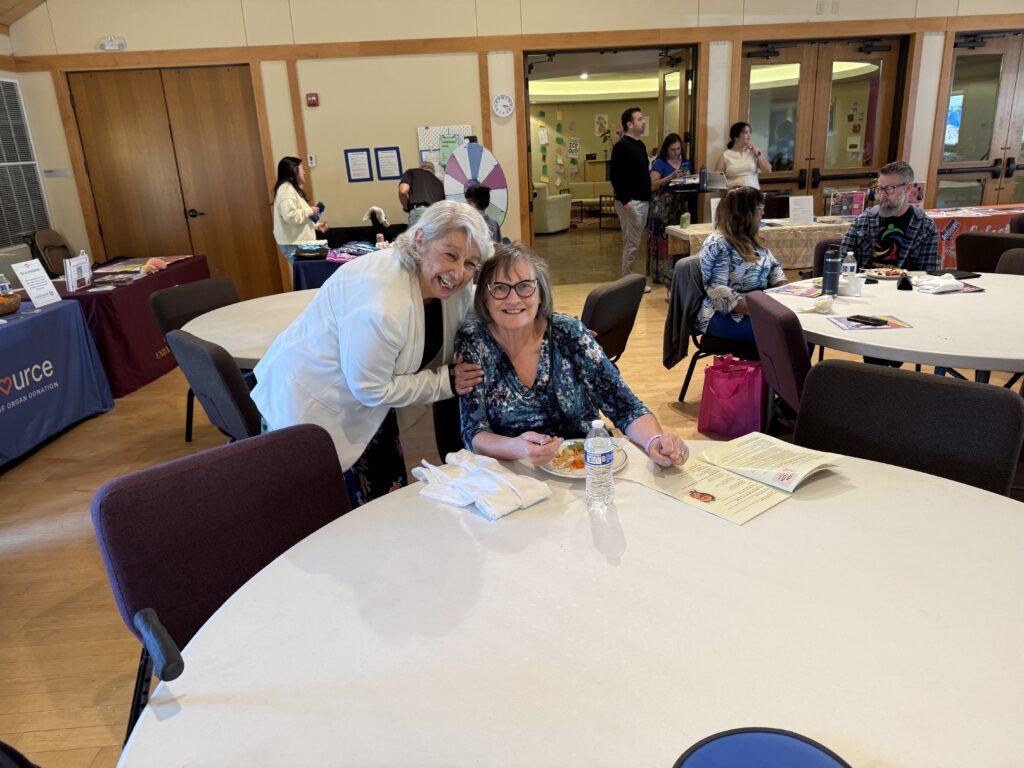
The day was about more than sharing information. It was about building relationships, strengthening communities, and turning conversation into action.
A Circle Built on Trust
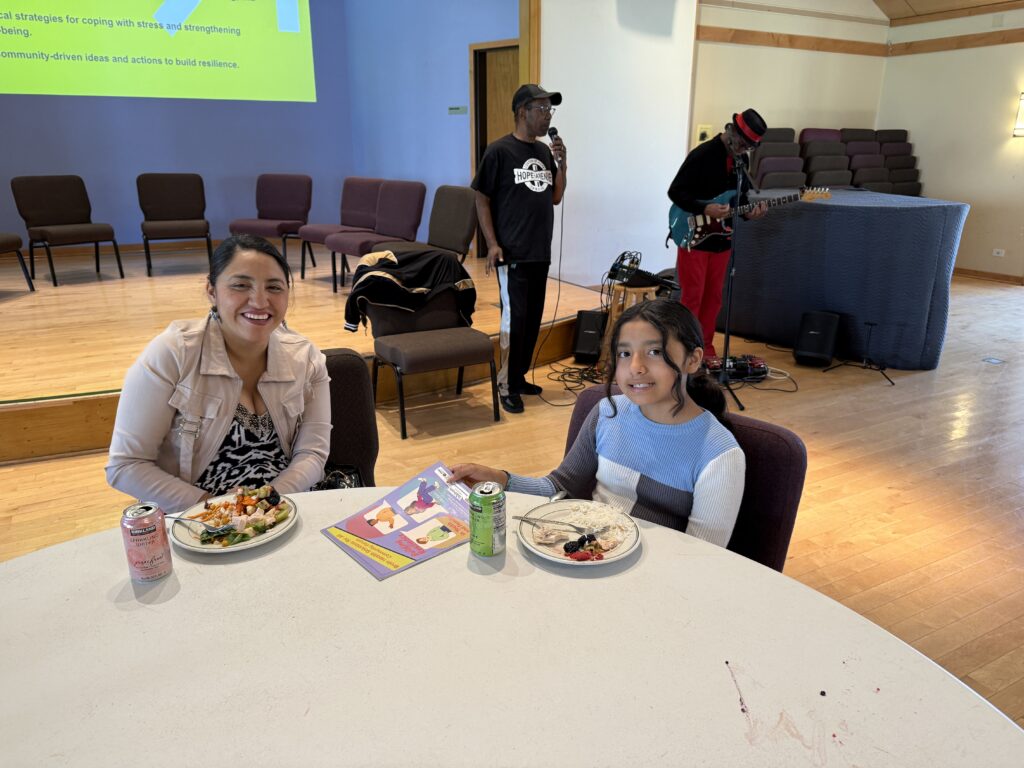
Music and lunch came first.
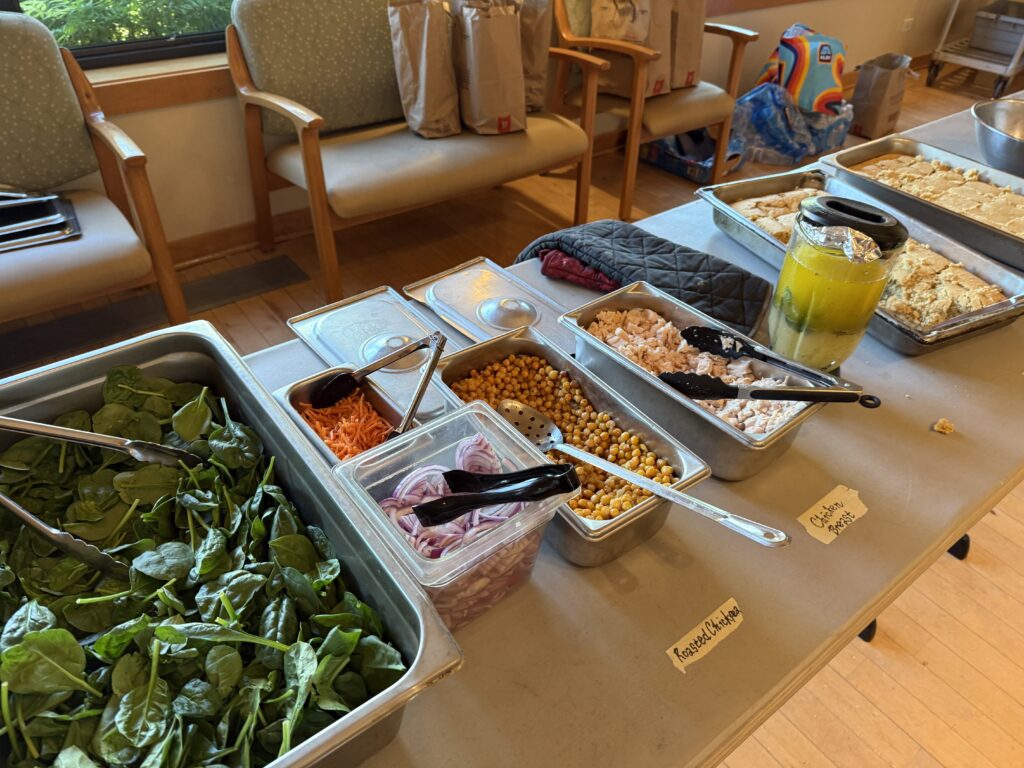
Nathaniel Harris provided the music, and Sisters Camelot served nourishing grain bowls, fresh fruit, salad, and cornbread as participants met neighbors, greeted old friends, and settled into conversation.
The meal reflected one of the event’s guiding principles.
Healing begins with belonging.
Eric Ortiz, executive director of the Strong Mind Strong Body Foundation, welcomed participants by emphasizing that the gathering was about much more than information.
“Today is about connection, reflection, and action,” Ortiz said. “We won’t just hear from youth journalists and experts. We’ll hear from each other. Because the most important voices in this room are all of you.”
A Conversation, Not a Panel
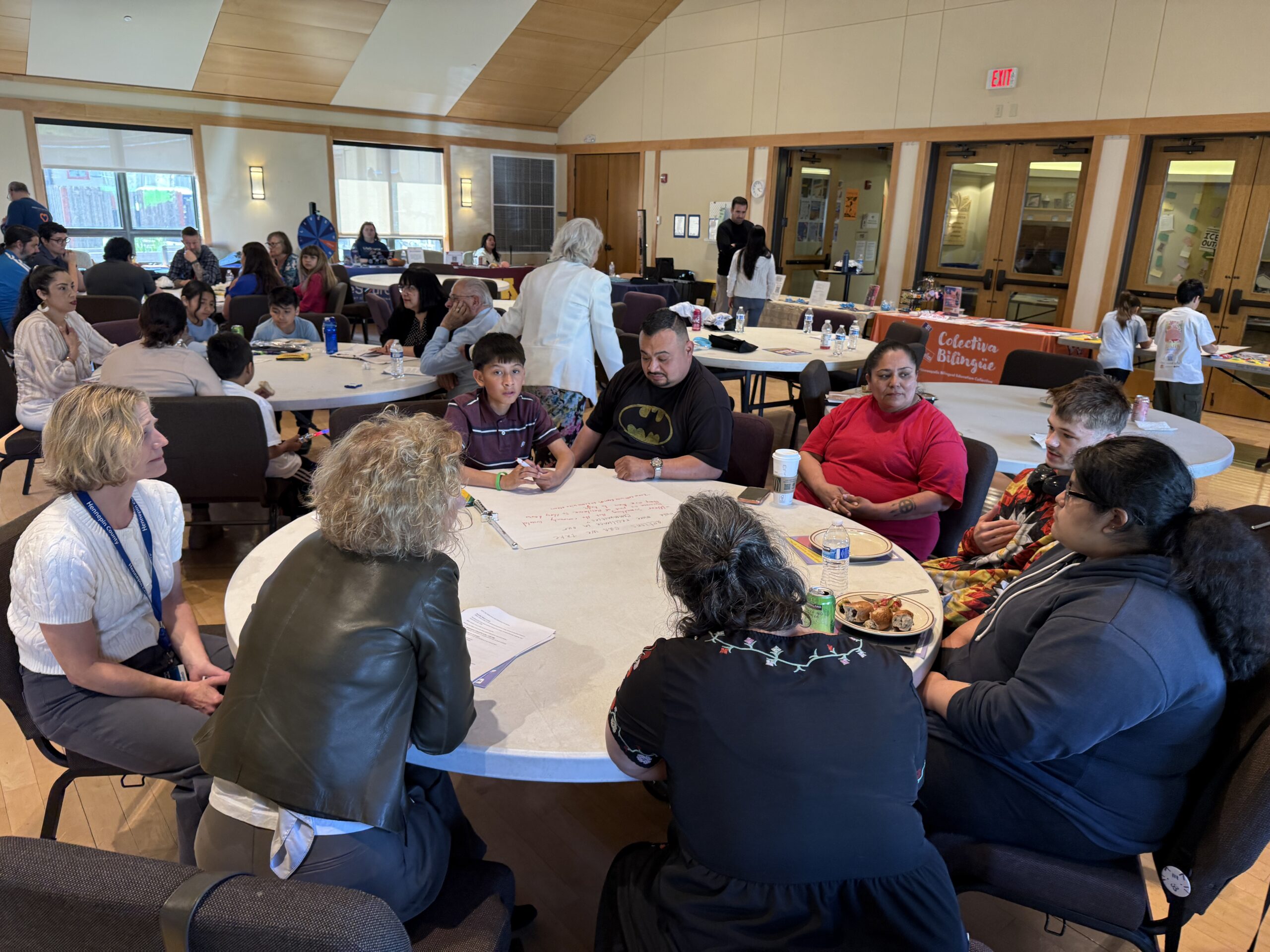
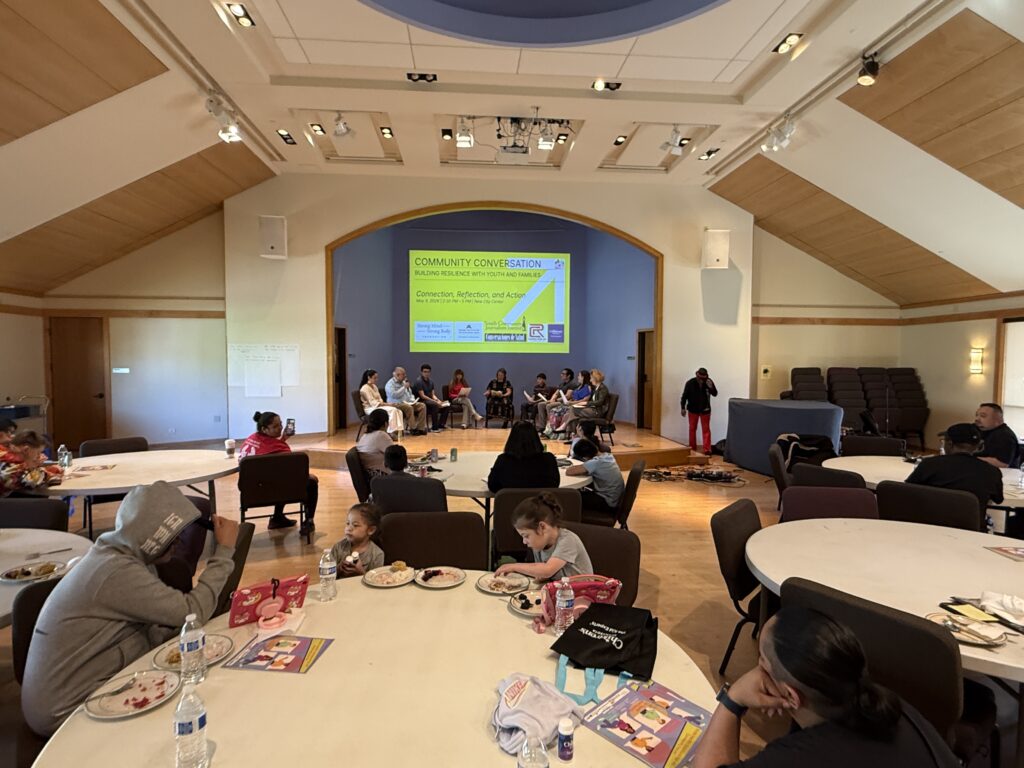
Instead of placing experts behind a long table, organizers arranged chairs in a restorative talking circle.
Everyone faced one another.
Everyone had an equal voice.
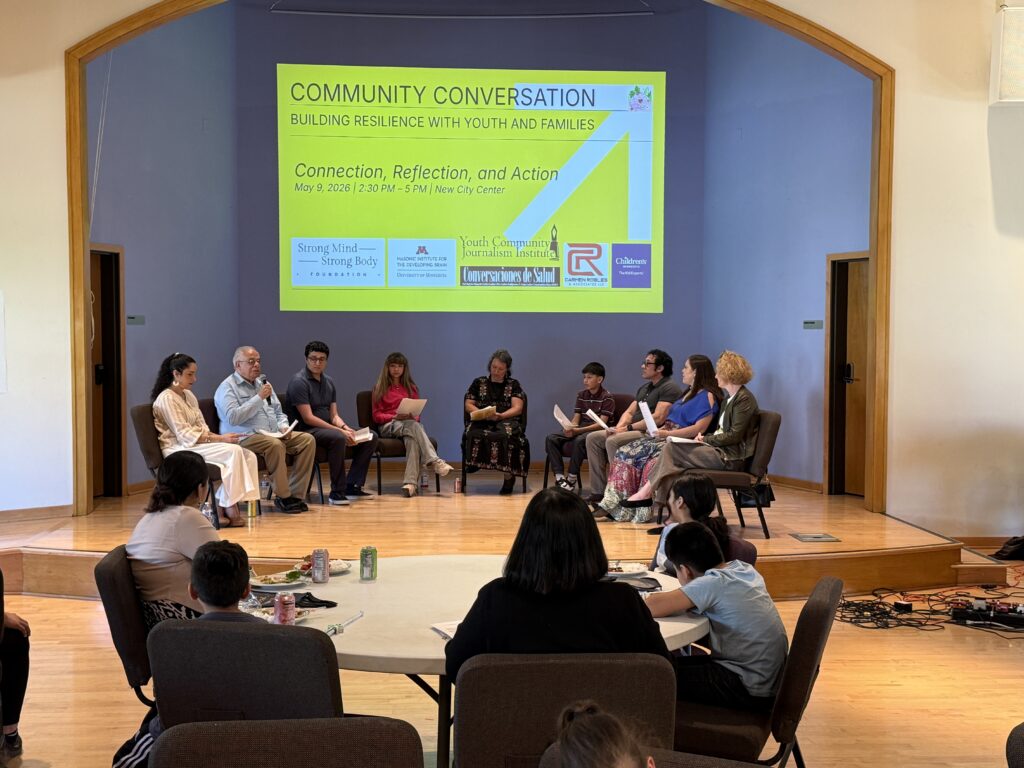
Moderated by Molly Dengler, the conversation brought together youth journalists, psychologists, physicians, researchers, and community leaders.
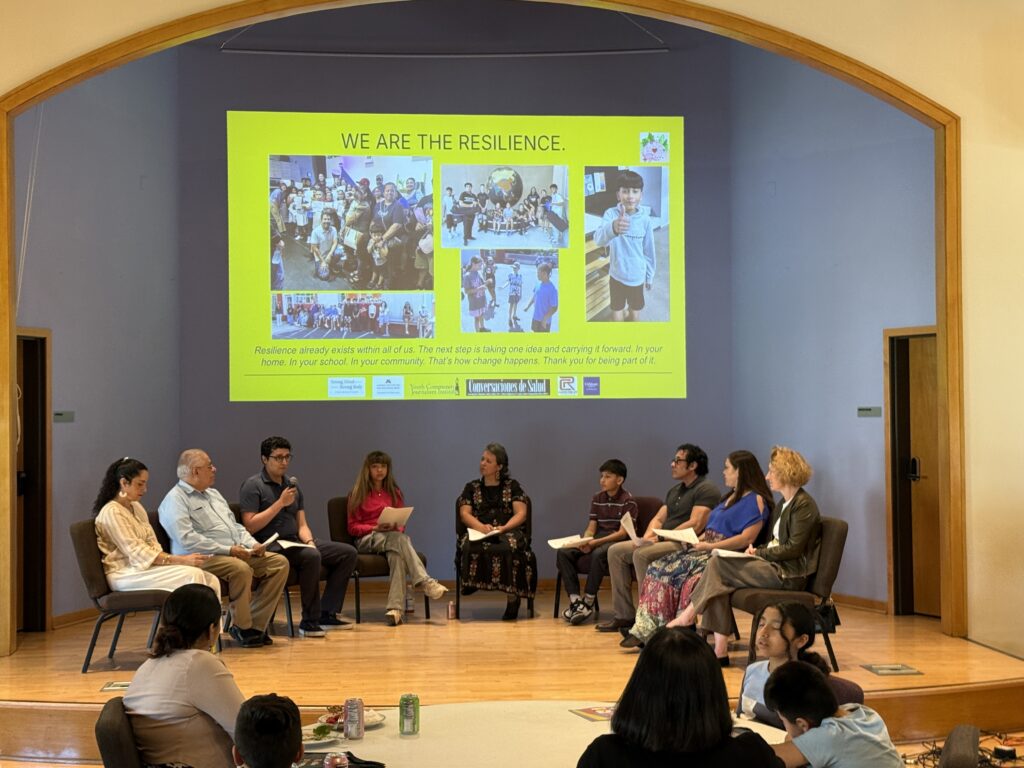
Participants included:
- Molly Dengler, former president of Colectiva Bilingüe, lead professional learning facilitator at World Savvy
- Dr. Maria Kroupina, pediatric psychologist and professor at the University of Minnesota, director of Birth to Three Clinic and Early Childhood Mental Health Program at Masonic Institute for the Developing Brain
- Jackelin Jara Millán, community leader for Colectiva Bilingüe, representative with Epilepsy Foundation of Minnesota
- Dr. Alfonso Morales, medical director, Viva Vitality
- Dr. Miguel Fiol, University of Minnesota physician and professor (Department of Neurology, Epilepsy Care Center), leader of Frente Acción de Latinos en Minnesota (FALM)
- Viviana Salazar, executive director, Nuestra Lucha MN
- Jonathan Lehman, research professional, Community Engagement and Education (CEEd) Hub, Masonic Institute for the Developing Brain
- Kamille Wilson, youth journalist, age 13, 7th grade, Youth Community Journalism Institute
- Elvin Rodriguez Perez, youth journalist, age 13, 7th grade, Youth Community Journalism Institute
The moderator reminded everyone of the community agreements:
Speak from your experience.
Share airtime.
Listen with respect.
Take space. Make space.
The discussion centered around three simple but powerful questions:
1. What does resilience mean to you?
2. What is an inspiring example of community resilience you’ve seen in Minneapolis?
3. What is one way we can build a more resilient community together?
Youth Voices Lead the Way
The conversation began with youth.
Thirteen-year-old Elvin Rodriguez Perez reflected on how stress affects young people.
“Stress can affect us early, even when we’re young,” he shared. “But we’re not alone. When we have support and people we trust, stress becomes something we can handle.”
To Elvin, resilience means not giving up and having people around you who help you keep moving forward.
Kamille Wilson, also 13, described resilience as continuing to move forward through life’s challenges.
She reminded the audience that asking for help is not weakness.
“It’s learning from what we go through and using those experiences to grow and help other people,” she said.
Her reflection set the tone for the rest of the afternoon.
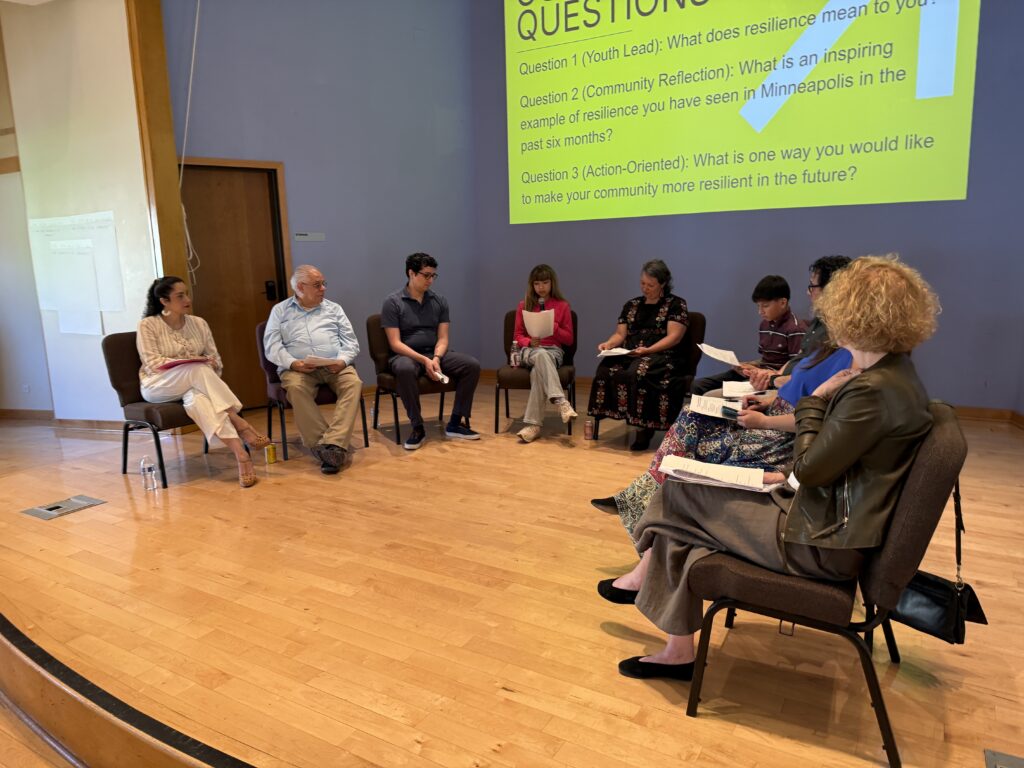
Throughout the discussion, youth voices carried equal weight alongside researchers and physicians, reflecting the Youth Community Journalism Institute’s belief that young people are not simply learners. They are community leaders.
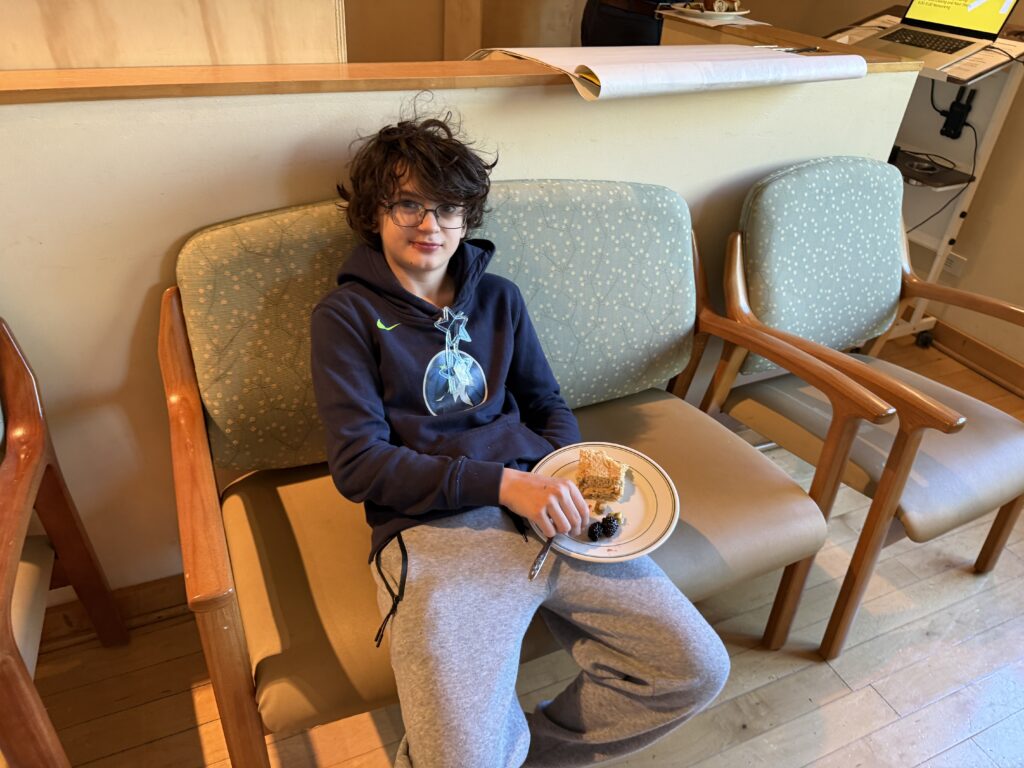
Science Meets Community Wisdom
Health experts connected neuroscience with everyday life.
They discussed how chronic stress affects developing brains, why relationships are protective, and how communities can strengthen emotional well-being across generations.
Community leaders shared stories of mutual aid, neighborhood support, cultural identity, and healing through connection.
The conversation moved easily between research and lived experience.
No one perspective dominated.
Together, they painted a picture of resilience rooted in relationships, trust, and collective care.
Audience members were invited into the discussion after each question, transforming the event from a panel into a true community conversation.
From Reflection to Action
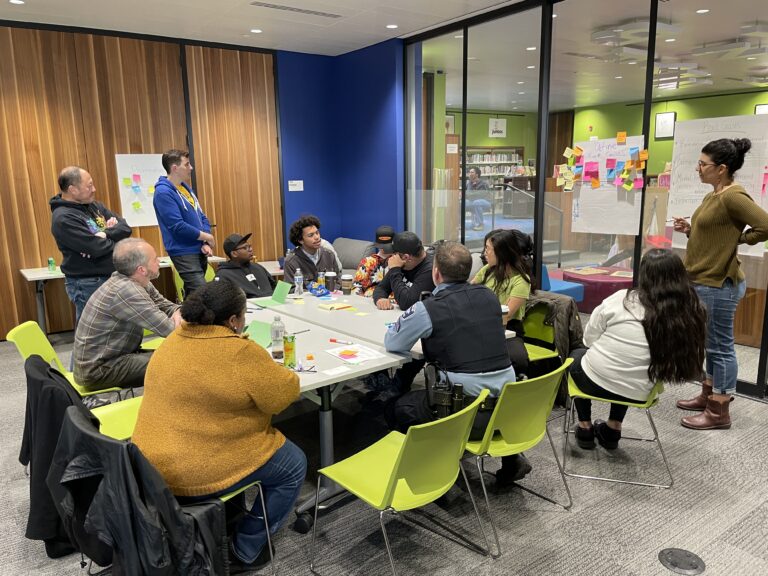
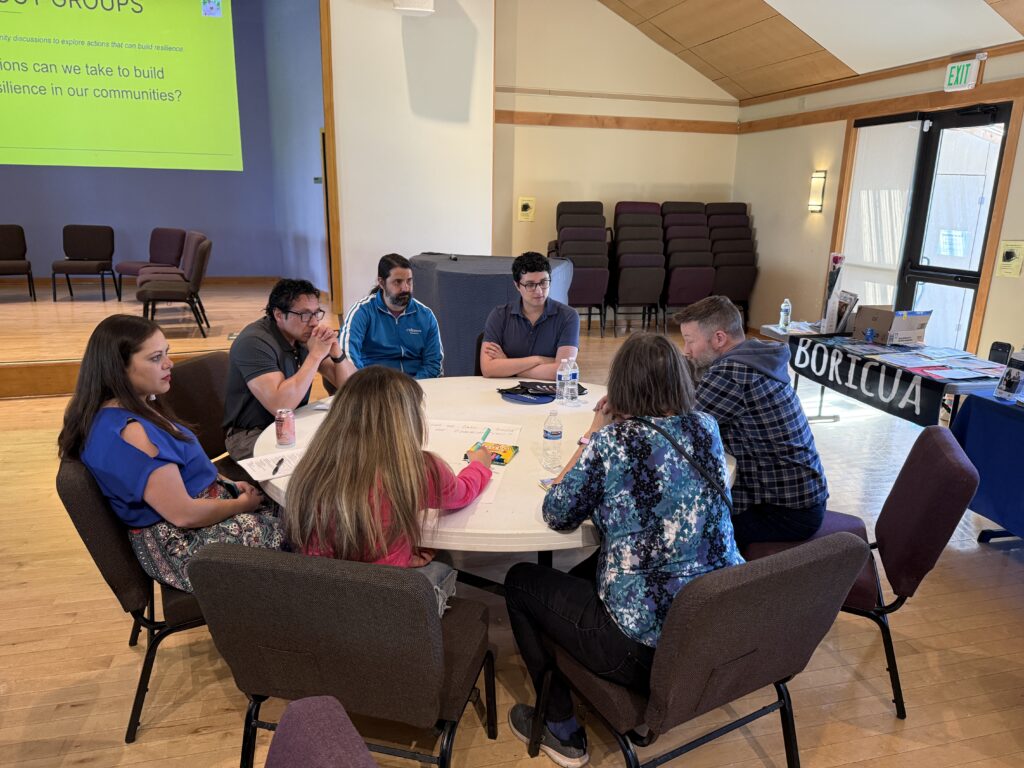
Following the talking circle, participants divided into three breakout groups led by youth, health experts, and community leaders.
Each table tackled one shared question: What actions can we take to build more resilience in our communities?
Youth journalists served as notetakers while participants filled large sheets of paper with ideas, priorities, and action steps.
Across the groups, common themes emerged.
People called for stronger youth mentoring.
More culturally responsive mental health services.
Safe gathering spaces.
Peer support.
Community education.
Mutual aid.
And opportunities for neighbors to build relationships before crises occur.
When the groups reconvened, youth leaders presented their findings to the entire room.
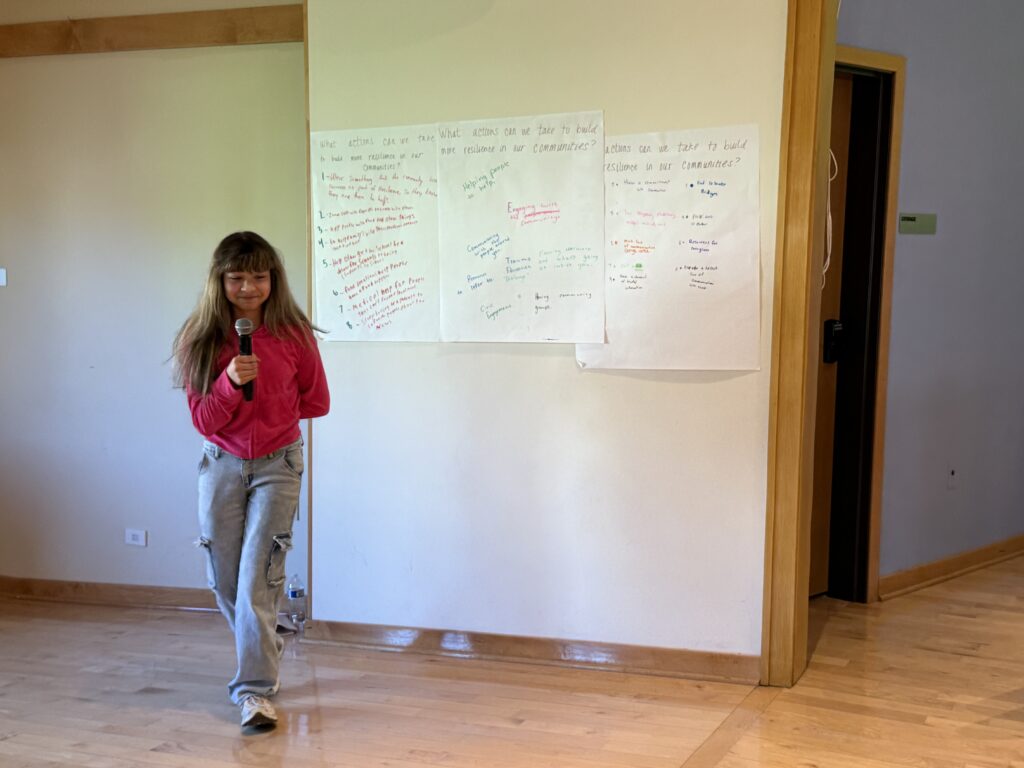
Eric Ortiz closed the discussion by highlighting the common thread running through every conversation.
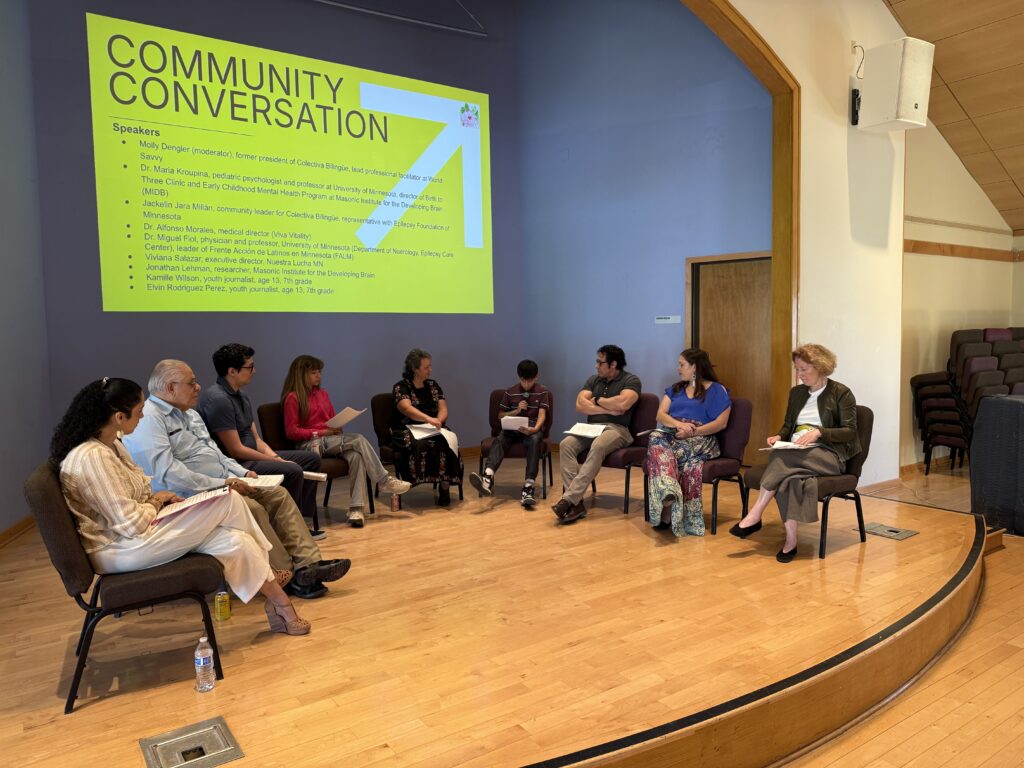
“Resilience already exists in this room,” he said. “The question isn’t whether we have it. It’s what we choose to do with it.”
He also announced the next phase of the Brain Health Solutions for All initiative, a new bilingual youth-led media project, Community Lowdown / El Pulso de la Comunidad, developed in partnership with Nuestra Lucha MN to expand trusted health information in English and Spanish.
Resources and Community Connections
The learning extended beyond the talking circle.
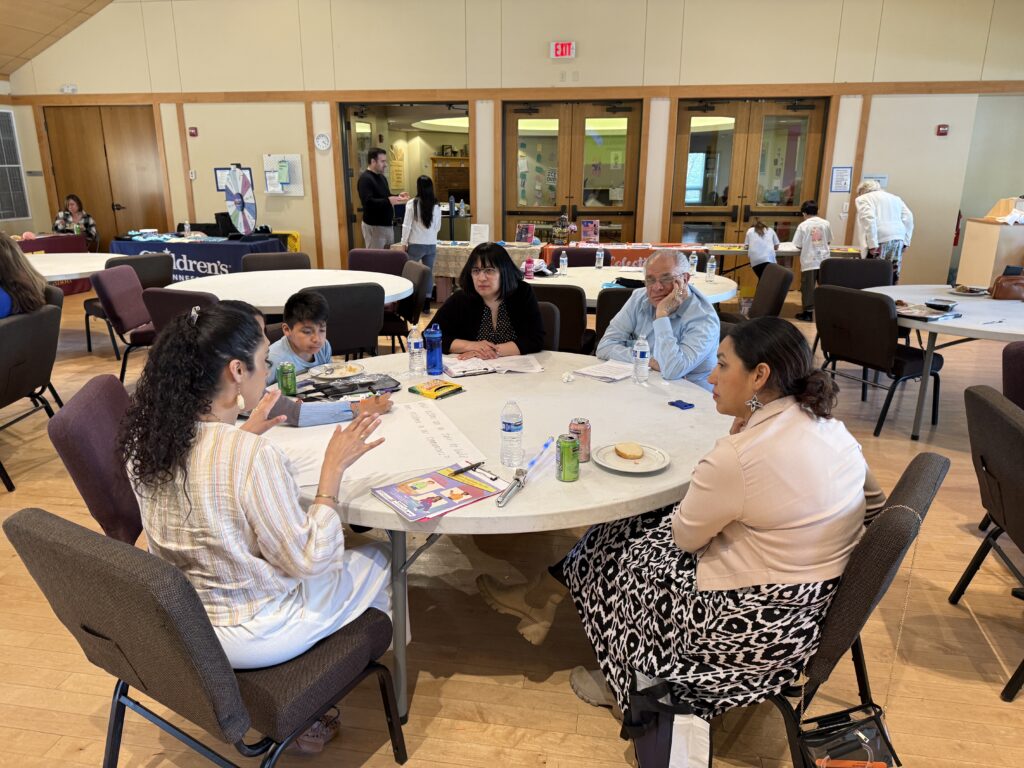
Before and after the forum, participants connected one-on-one with health experts, community organizations, and local leaders, exploring mental health services, family supports, youth programs, and other resources available across the Twin Cities.
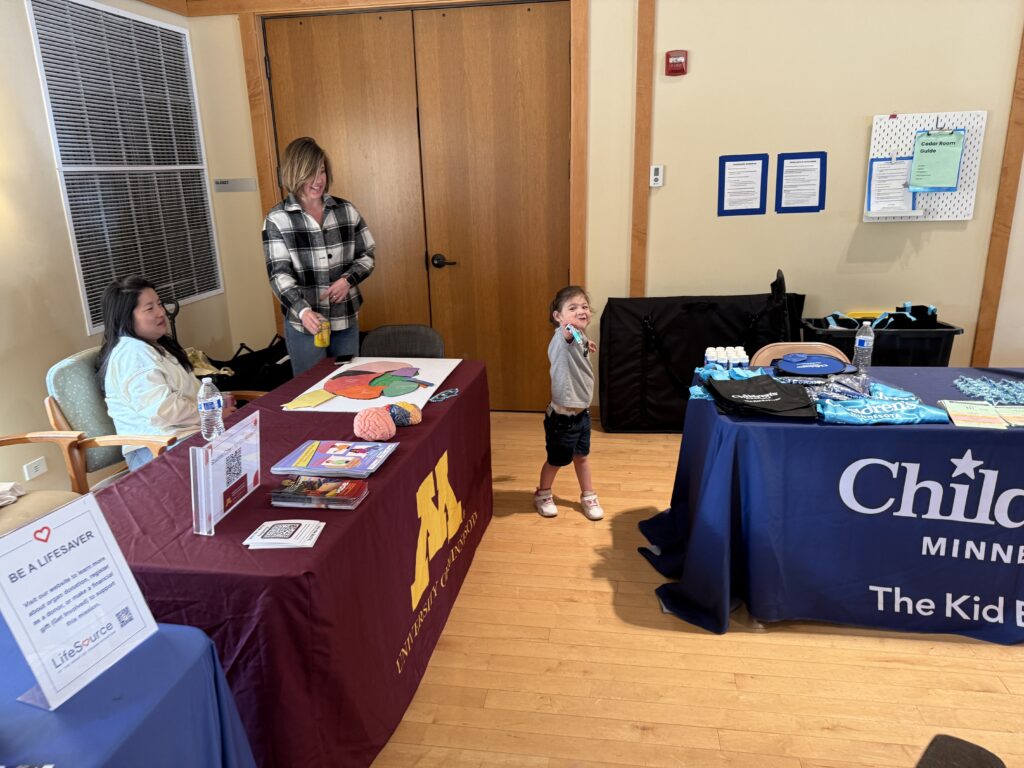
Community resource tables hosted by Children’s Minnesota, the Masonic Institute for the Developing Brain, LifeSource, Colectiva Bilingüe, Nuestra Lucha MN, Hennepin County WIC, and Carmen Robles and Associates gave families opportunities to ask questions, discover local services, and build relationships
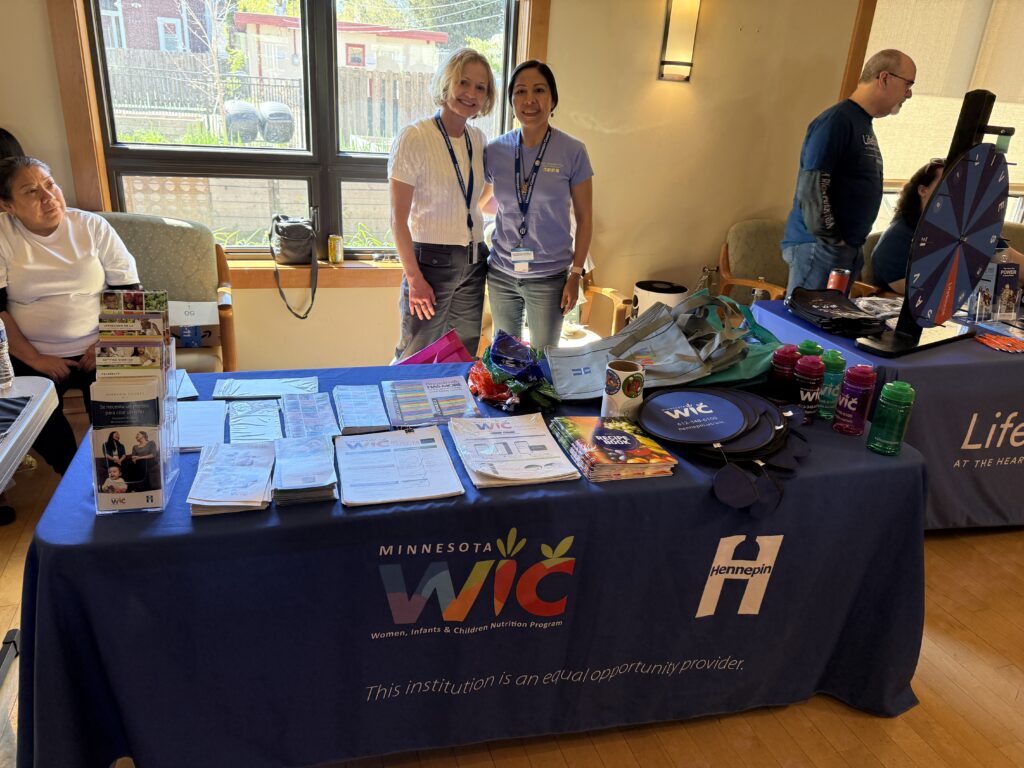
The conversations continued after the formal program ended as neighbors exchanged ideas, shared contact information, and explored ways to stay connected and support one another.
Connection Creates Change
The afternoon concluded with networking, resource sharing, and new partnerships.
But the conversation did not end there.
The ideas generated during the forum will help shape future youth journalism projects, bilingual educational resources, community conversations, and partnerships throughout Minneapolis.
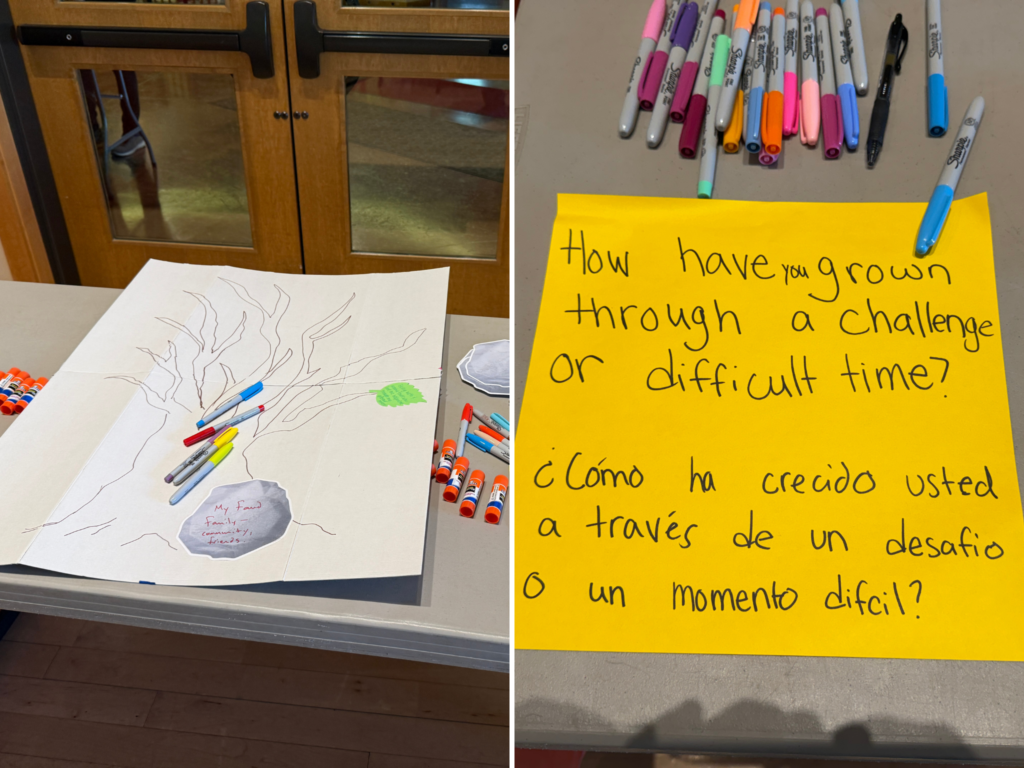
The event reinforced one message heard throughout the day.
Stress is part of life.
Resilience can be learned.
And healing grows stronger when communities choose to listen, support one another, and take action together.
Because resilience is more than recovering from hardship.
It’s creating communities where everyone has the opportunity to heal, grow, and thrive.